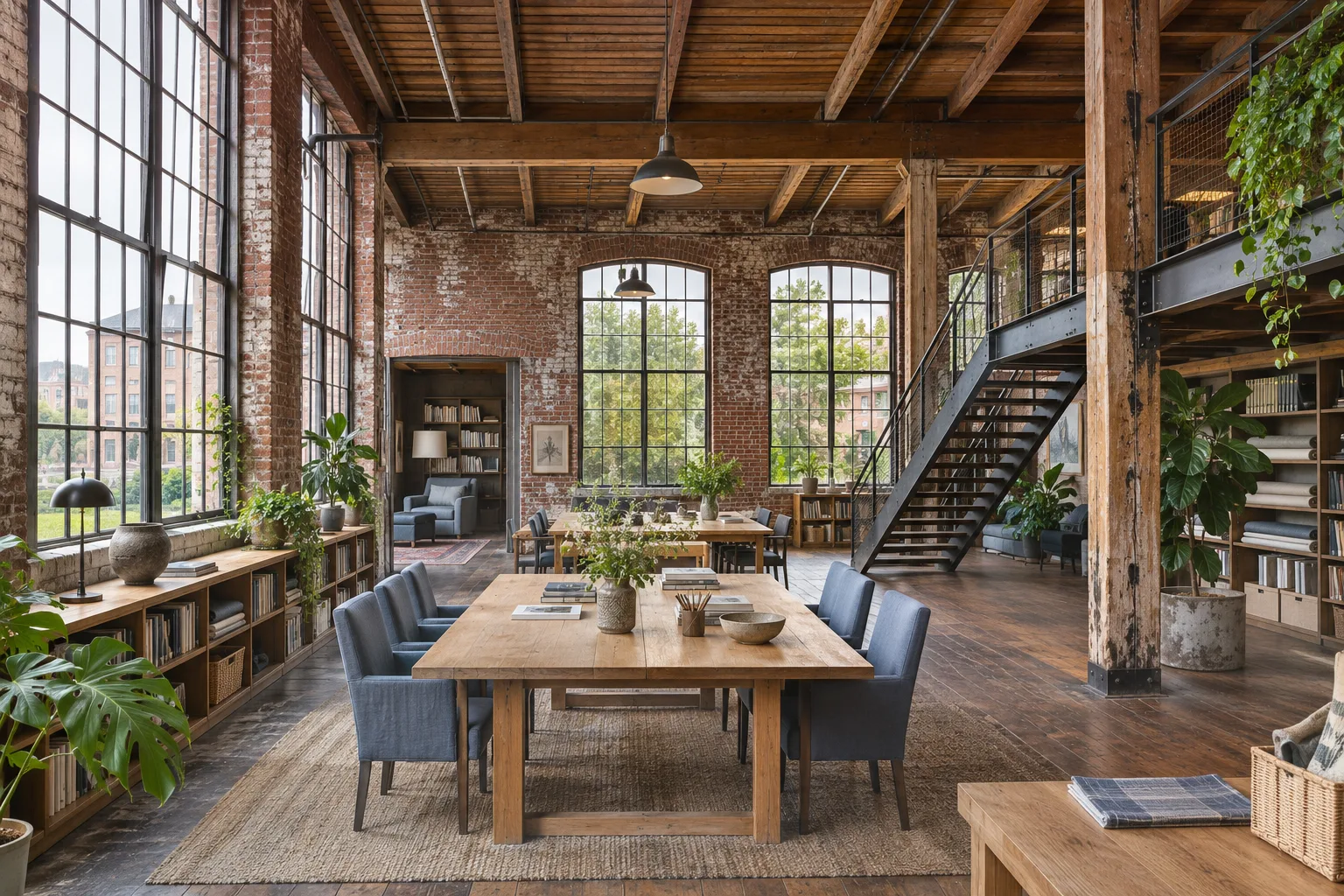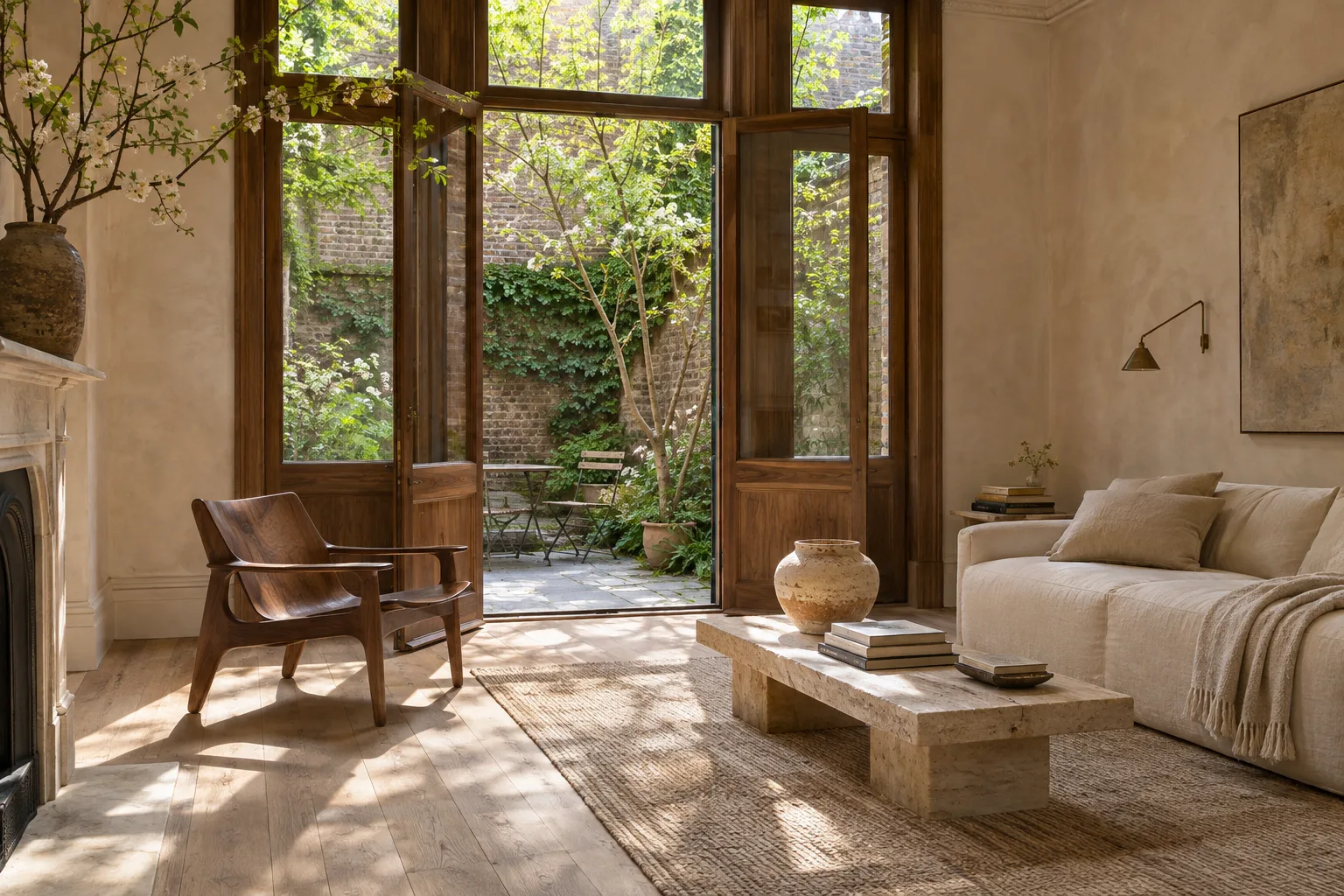
A doorway is more than a gap in a wall. The transition between one space and another can make the whole sequence feel considered.
A moment of change
A lower ceiling before a generous room, a change of floor texture, a glimpse of a garden: small shifts prepare us for what comes next. We think about how a place unfolds as much as how it looks in a plan.
Let the detail do the work
A well-resolved threshold can accommodate structure, weather protection and accessibility without asking for attention. The best details make a transition feel natural because the difficult questions have already been considered.
Inside, outside and in between
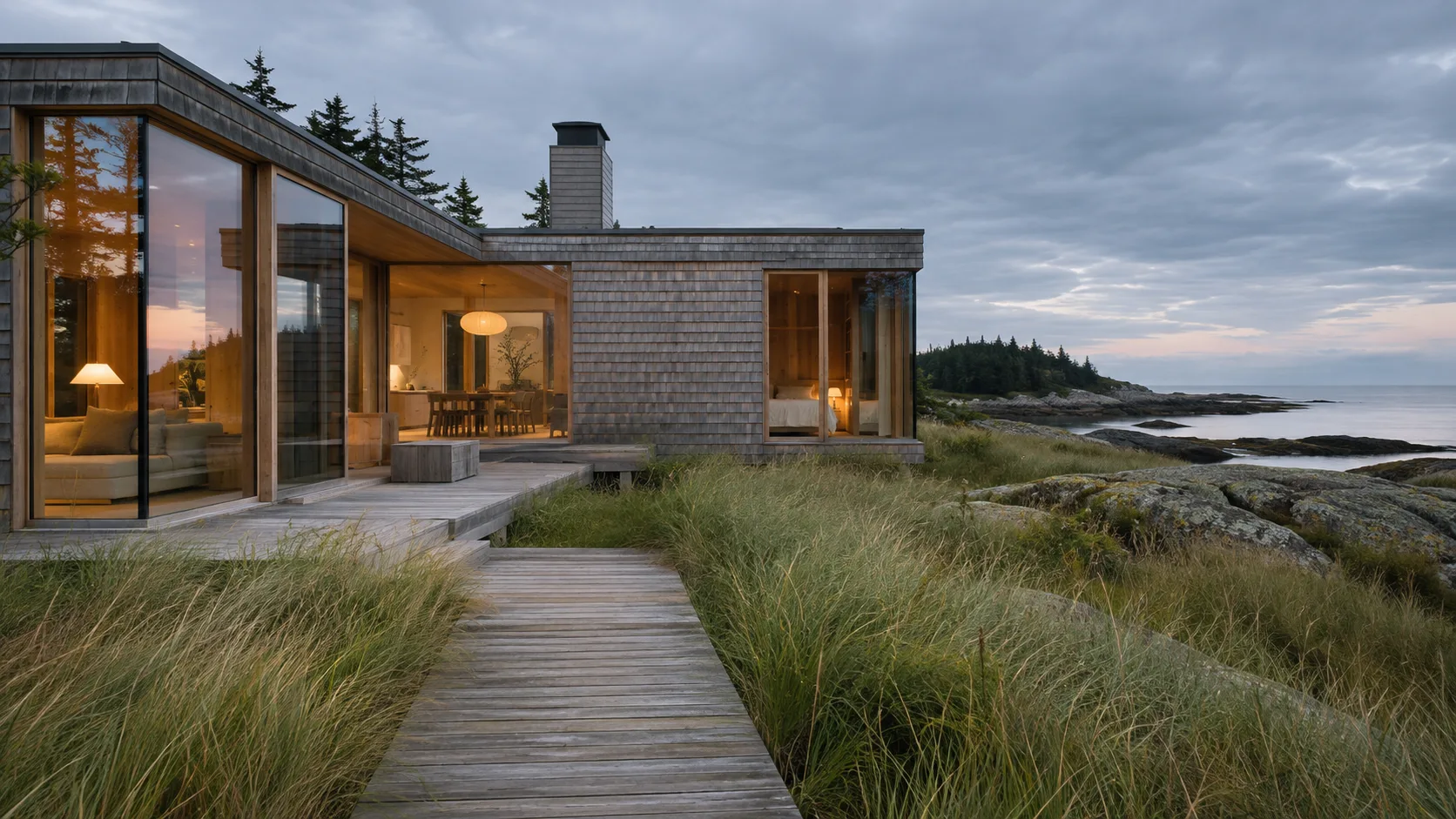
At Still House, the boardwalk slows the approach to the entrance. A sheltered edge gives visitors a place to leave sandy shoes and offers a moment between the open coastal landscape and the warmth of the interior. The transition is useful as well as atmospheric.
These intermediate spaces are easy to lose when a project is reduced to a schedule of rooms. We make time to draw them: the landing, the covered step, the recess beside a door. They are often where the character of a place becomes most apparent.
A question to take with you
Look around a place you know well. Which detail makes it feel comfortable, and which asks you to adapt? Noticing that difference is a useful place to begin a design conversation.